Introduction to Coeliac Disease
You may be wondering, what is coeliac disease? Coeliac disease is an autoimmune disease that is inherited genetically. A person without coeliac disease can process gluten (which is a protein) without any risk, but in a person with coeliac disease, the villi in the small intestine (which absorb nutrients from the food you digest), become damaged, and go flat. Villi that are flat can take months to stand up and recover again.
What happens to the villi?
This flattening of the villi reduces the small intestine’s ability to draw nutrients and minerals, such as iron and B grouped vitamins. The human body requires iron to produce red blood cells and maintain other important functions that the human body requires. When red blood cells (which carries oxygen in the blood throughout the body) drop, it can lead to a condition known as anaemia (a lack of iron in the blood). When the immune system attacks the small intestine in response to gluten, this condition is known as coeliac disease. (The villi are cells inside the walls of your small intestine that are shaped like tubes and number in their thousands to millions).
Coeliac disease eventually results in the small intestinal villi atrophying and reducing in number throughout the small intestine. If the affected individual continues to eat/or drink gluten, the small intestine may no longer absorb nutrients and minerals. This condition is known as gut malabsorption, and can lead to osteoporosis, anaemia, weight loss and other complications.
The immediate symptoms are often diarrhoea, migraine headache, bloating, vomiting, raised temperature & sweating. Not everyone with coeliac disease will experience a reaction this way. It is different with every sufferer.
Does coeliac disease affect me?
Yes it does. Coeliac disease limits my diet to strictly gluten-free foods and drinks only. While I do not show any symptoms of coeliac disease, I do have it, as I was diagnosed through a genetic test since I have a family history of coeliac disease. About 1 in 170 people (Lebwohl et al., 2015), could have coeliac disease and this could vary by country. Certain coeliacs (like me) can show no obvious symptoms at all, making it very hard to diagnose until a blood test, genetic test or a biopsy is taken. In my case it was anaemia that alerted further investigation which led to diagnosis of coeliac disease, as I also have a parent diagnosed with coeliac disease.
Possible link between autism and coeliac disease?
Scientists have researched potential overlaps to coeliac disease and autism. Some studies such as Lau et al. (2013) have indicated that there may be a connection with autoimmune conditions (like coeliac disease) and autism, but this is not known. Although some people with a family history of autoimmune conditions such as coeliac disease have a diagnosis of autism (Lau et al., 2013), it is unclear whether or not there is a link between the two conditions (Atladóttir et al., 2009).
Ingredients in foods that contain gluten
There are a lot of food ingredients out there that contain gluten. This list shows some of the ingredients to watch out for:
- Wheat Gluten
- Barley
- Rye
- Malt Flavouring
- Hydrolysed Wheat Protein
- Malt Extract
- Malt Syrup
- Malt Flour
- Malt Vinegar
- Seitan
- Semola
- Spelt
- Starch
- Triticale
- Wheat
- Wheat Starch
There are too many gluten ingredients to list in this page.
How coeliac disease is managed
The management of coeliac disease involves being on a very strict gluten-free diet which is lifelong. Some foods (like hot chips) may be gluten free, however when they have been cooked in the same oil, which has also been used to cook foods containing gluten, the gluten-free food has become cross-contaminated. So what was originally a gluten-free product or gluten-free food now has gluten on it, and cannot be eaten by a person with coeliac disease. From my experience, I always ask whether or not the oil in which my gluten-free hot chips are to be cooked is actually gluten-free to ensure the chips are safe for me to eat.
A picture of what gluten commonly looks like in wheat
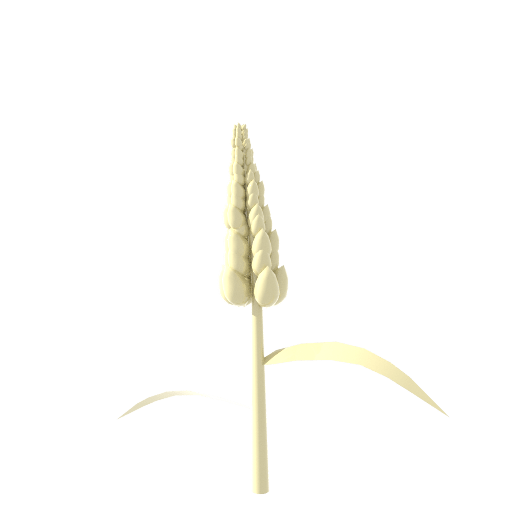
Wheat is used in many products made with gluten, which range from pastries, breads, biscuits, to confectionaries, cakes, and many savoury / sweet snacks. Many of these products are slowly becoming Gluten Free or GF, which can be eaten by coeliacs.
Princess Lilli Lilac

Although Lilli has nothing to do with gluten, she does help keep me calm and relaxed. We have been inseparable since the day we met when she was a kitten, and we love each other very much. 💜
Conclusion
Hopefully, you have learned a bit about gluten and autism today. See you on the next blog post! 😃
References
Lau, N.M., Green, P.H., Taylor, A.K. (2013). Markers of celiac disease and gluten sensitivity in children with autism. PLoS ONE, 8(6), Article e66155. https://doi.org/10.1371/journal.pone.0066155
Atladóttir, H.O., Pedersen, M.G., Thorsen, P. (2009). Association of family history of autoimmune diseases and autism spectrum disorders. Pediatrics, 124(2), 687-694. https://doi.org/10.1542/peds.2008-2445
Lebwohl, B., Ludvigsson, J.F., Green, P.H (2015). Celiac disease and non-celiac gluten sensitivity. BMJ, 351, h4347. https://doi.org/10.1136/bmj.h4347