Introduction & Seasons Greetings!
Merry Christmas! The holiday season from 2025 may have passed, but that doesn’t mean we cannot reminisce on those times as we welcome 2026!
Join me as we celebrate Christmas through the unique experiences of an Australian who has autism! Seasons greetings to you all! 👋🏻
Christmas and New Year: How it feels for me
The wait for Christmas can be stressful, as it can seem like years before the holiday arrives. Then the fast pace of society begins to slow ahead of Christmas, which naturally reduces my sensory overwhelm and helps me to feel calmer and joyful in the anticipation for Christmas.
As my everyday life is full of loud noise, disruption to daily routines, and thoughts that race in too many directions simultaneously, the structure of Christmas offers the rhythm of predictability (with the same food menus, treats, songs, storylines, decorations, concerts, etc) as it’s traditions. This adds to the feeling of calmness by establishing a temporary routine each year, that is very predictable.
Christmas and New Year in South Australia are often loud, very hot and busy, with seaside towns such as Goolwa, Middleton, Port Elliot and Victor Harbor filling up with tourists of all types. The tourists are not only international, but also Australian, coming from the local Adelaide area and from interstate to the Fleurieu Peninsula, staying in holiday houses for the season, including the new year. While this means a lot of fun for the majority of people, this influx of tourists creates sensory overwhelm for me when I’m out and about in the community, with too much happening all at once.
During Christmas and the New Year, I am more aware of my autism because my brain processes things differently. This makes me feel uniquely isolated, as this time of year highlights my social difficulties, which others notice as well. Although, most people outside of autism struggle to comprehend my social issues.
In my extended family, there are very young children who naturally are more excited than usual when it comes to Santa Claus and gift giving. While most adults can tune these sounds out, individuals with both hyperacusis and autism often will find a child’s loud noise of excitement to be a sensory nightmare, which increases the chances of a meltdown occurring. Hyperacusis is a disorder where the sense of hearing is elevated and is common among those with autism.
As I find noise, movement and laughter to be a challenge in group environments, my brain is unable to process everyone’s conversations, laughter and background music, with the clinking of glasses simultaneously and the constant questions of curious children. My brain is confused with so many signals, as if it were in the middle of a chaotic traffic intersection with no lights or signage as to who gives way.
People tell me to “just chill, its Christmas” or to calm down, but my brain and body are unable to calm down in a loud environment as they don’t know how to.
While I enjoy receiving gifts from family and friends, I often exhibit behaviours that many people describe as “impatience”. This impatience is actually my inability to perceive time due to attention deficit hyperactivity disorder (ADHD), which makes waiting for gifts feel much longer than normal (like days rather than hours) which adds to my anxiety and stress on Christmas. ⏰
As my obsessive compulsive disorder (OCD) necessitates things to feel “right”, if they don’t feel “right”, I become anxious. For me, OCD does not take the form of checking things, it affects my speech with talking in constant monologues until I feel calmer and “right” again. I’m not trying to be difficult or annoying, I am just trying to feel safe. The rapid talking of the same conversational topics takes me from anxiety and eventually brings me to a feeling of “rightness” again.
When routines and plans change very suddenly or the environment becomes chaotic, it triggers my OCD behaviours.
How does Australia celebrate Christmas?
The majority of people around the world often envision the Christmas/New Year holidays as a winter wonderland covered in snow, complete with hot beverages which includes hot chocolate, coffee, tea and eggnog being served to cope with the extreme cold.
Australia contrasts sharply with this winter wonderland, as South Australia sizzles under the dry summer heat (47C, 116.6F). Instead of families enjoying the holidays by an open fireplace, many Australians choose to load their caravans, going to the beautiful outdoors in very large numbers. The backyard barbecues with family & friends is a longstanding tradition in Australia which is a favourite during the holiday season and over the summer months.
How Christmas culture differs in Australia
Gas barbecues (which are the only type of barbecue permitted in summer due to a complete fire ban) are followed with a game of backyard cricket for all ages, including grandparents. The equipment used is typically an old wooden cricket bat with large plastic household rubbish bins used for stumps. In many outdoor parks, families congregate with their children, playing together and setting up picnics. ☀️
Our summer also significantly alters how we celebrate the Christmas holiday season in Australia. Social norms (cultures) are very different compared to the traditions seen in Europe and other parts of the world as playing cricket (a very popular sport in Australia) and races in the swimming pool help to keep the Christmas spirit high but relaxed without the need for formality into structuring the holiday.
The meals served in an Australian Christmas are a blend of traditional foods, as served overseas in many winter-based cultures, often cooked and modified for our hotter climate and Australian-based culture. While roasted turkey/ham is still served alongside cold seafood, other meals such as pavlova and various desserts are very popular in Australia due to their refreshing taste. The traditional exchange of presents occurs in the morning with a lunchtime meal with extended families.
How Australia decorates for the holidays
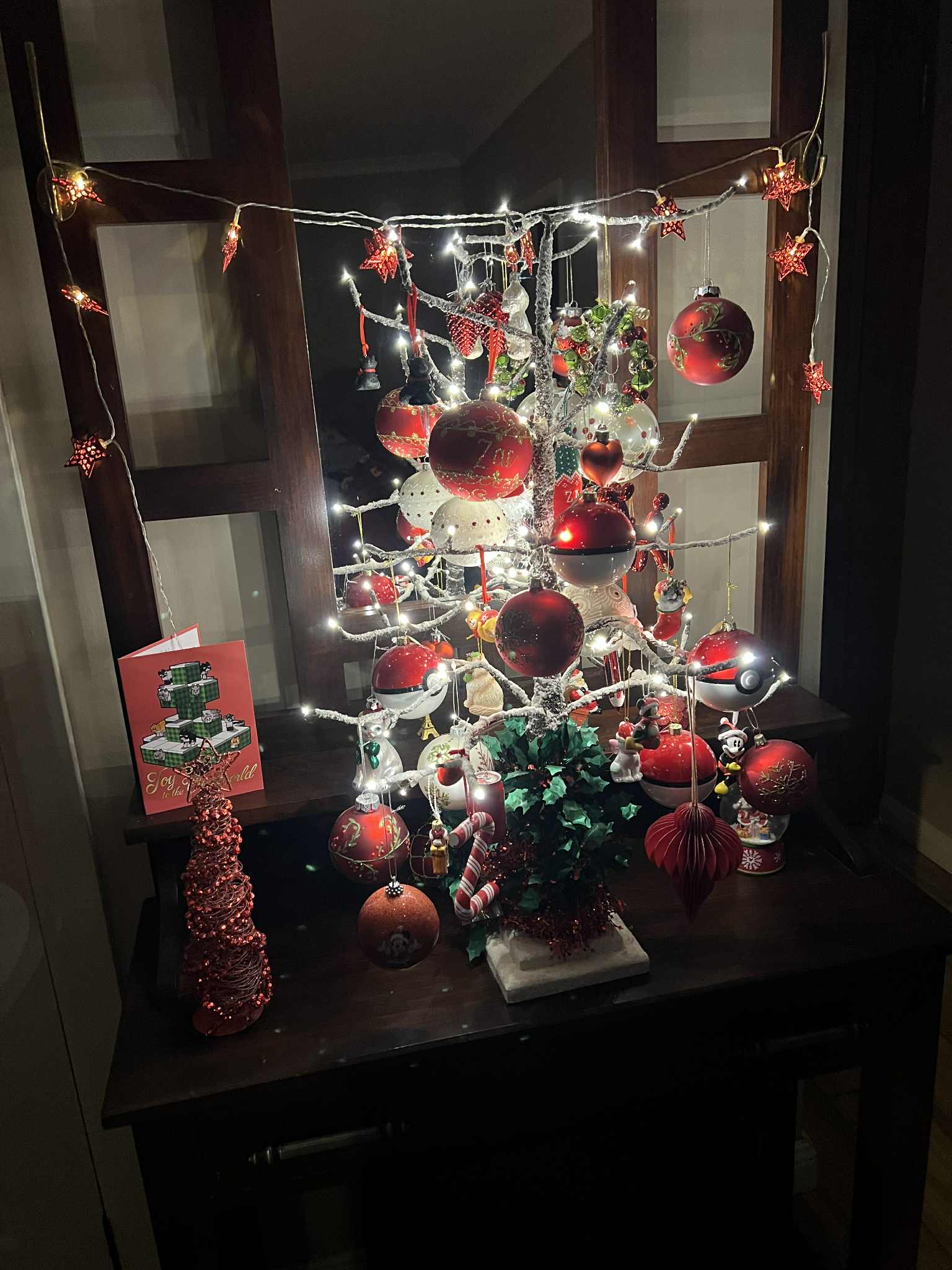
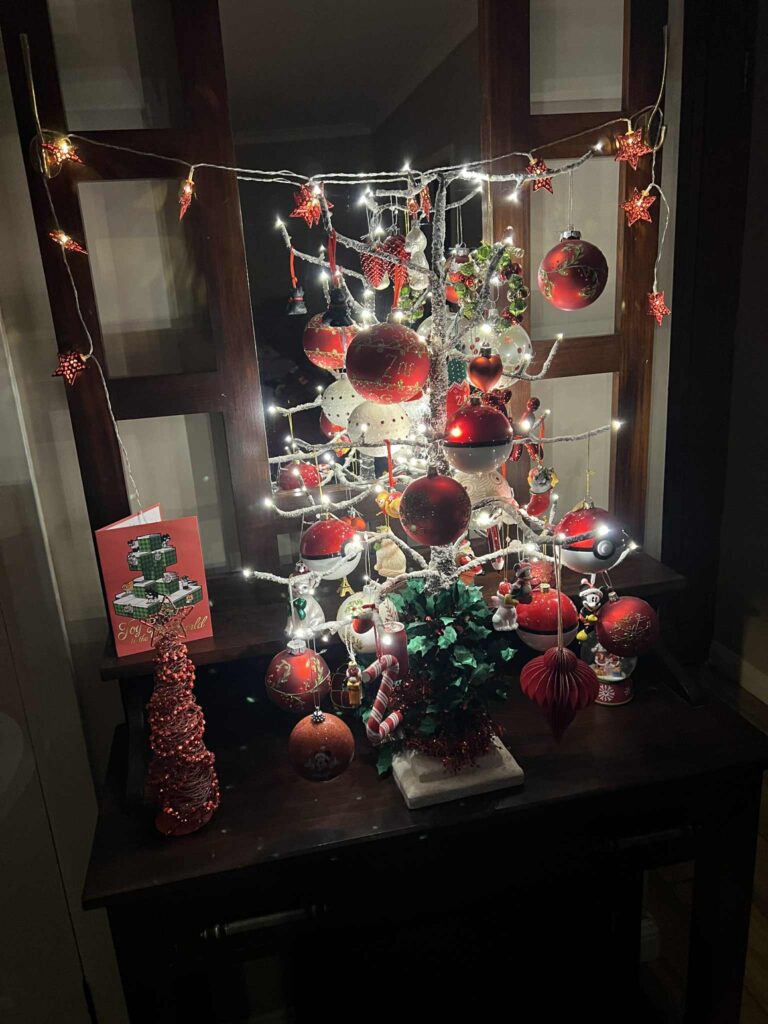
Australia also incorporates it’s own way of visually celebrating the holiday season, as Australia bases its decorative flair not just on the traditional winter of the northern hemisphere, but also mixing it with summertime, giving us the best of both worlds. Displays of festivity are uniquely modified to give an Australian vibe, with traditional lighting, ornaments and native Australian plants to make celebrations truly pop. Outdoor Christmas lights are very popular in suburbs, varying from simple dropdown lights hanging from a roof to elegant displays that cover the entire building, complete with a Santa and sometimes reindeer (Christmas Sweats editors, 2025). In the rural paddocks, tractors driven by a stuffed Santa Claus suit are frequently spotted. 🎅🏻
Princess Lilli Lilac
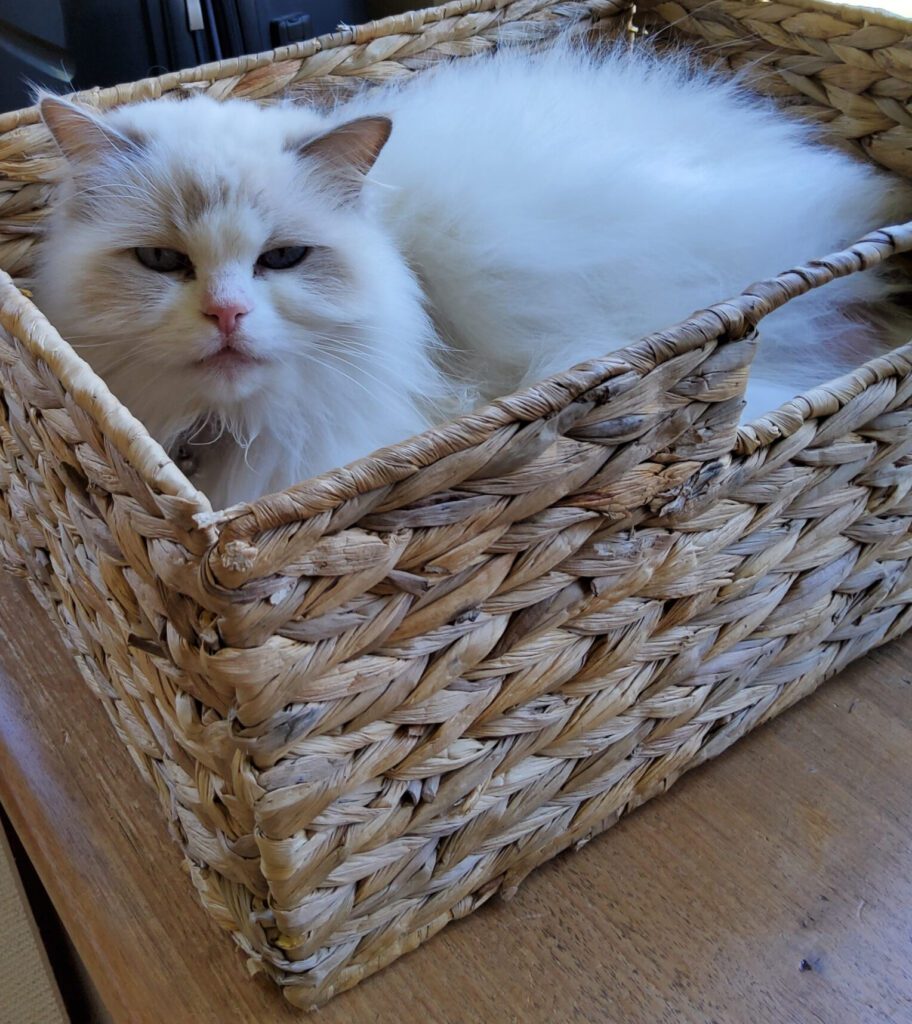
When Lilli shows her appreciation on Christmas, she gifts me her own gift that my carer goes out and purchases on her behalf with a written card for me. Since Lilli’s beginning, we have had an unbreakable friendship that will never expire. 💜
Fun fact: Lilli also celebrates her birthday on January the 16th. She will be 15 years old this year in 2026! 🐱
Conclusion
I’ve found the Christmas season challenging, but joyful to celebrate. Coming together with my family fosters unity and rekindles mutual friendships. As we welcome 2026, we can reflect on the previous year (2025).
Leading up to the New Year celebrations, I feel a sense of accomplishment, when I reflect on what I have achieved for the year, amid setting new goals (resolutions) for the next one.
Share your thoughts in the comments below and I will see you on the next blog post! 🗞
References
Christmas Sweats editors. (2025, 30 November). How do Australians celebrate Christmas? https://christmassweats.com/blogs/everythingaboutchristmas/how-do-australians-celebrate-christmas